
| Price | $0.99 |
|---|---|
| Category | Books & Reference |
| Version | 2.4 |
| Developer | Warrior Code Applications |
| Added | Apr 4th, 2012 |
| App Views | |
| Votes | 0 votes |
| Google Rating | |
| Ratings | 1 |
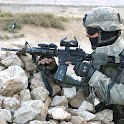
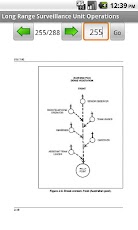
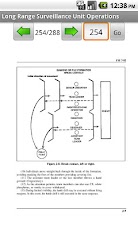
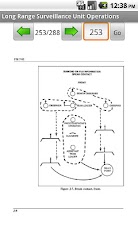
FM 7-93 Long Range Surveillance Unit Operations. Own the definitive resource which guides warriors from Army Long Range Surveillance Units to Recon Marines. With this application, you will have the information you need to plan and conduct recon operations, conduct tracking and counter tracking, create clandestine hides for observation, and develop team standard operating procedures for use in any mission. An excellent resource for immediate action drills including contact front /left /right, actions upon indirect fire, and attack from a hostile aircraft, withdrawal by fire and bounds, and even the Australian peel when in confined spaces. One of the best military manuals for small unit operations. Specific Chapters include:CHAPTER 1 – INTRODUCTIONSection I – Objective1-1. Information Gathering1-2. Human Intelligence Capabilities1-3. Army Operations DoctrineSection II – Mission1-4. Characteristics1-5. Mission ExecutionSection III – Organization1-6. Long-Range Surveillance Company1-7. Long-Range Surveillance Detachment1-8. Capabilities1-9. Limitations1-10. Weapons and EquipmentCHAPTER 2 – FUNDAMENTALSSection I – Command and Control2-1. Structure2-2. Mission Taskings2-3. Types of Missions2-4. Leadership2-5. Surveillance Team Operations2-6. Operations Base2-7. Tactical Operations Center2-8. Task OrganizationSection II – Communications2-9. Communication Nets2-10. Messages and Reports2-11. Base Radio Station Operations2-12. Surveillance Team Communications2-13. Electronic WarfareSection III – Mission Development2-14. Planning2-15. Coordination2-16. Warning OrderSection IV – Operational Security2-17. Tactical and Administrative Measures2-18. Electronic MeasuresCHAPTER 3 – OPERATIONSSection I – Planning Phase3-1. Contingency Plans3-2. Control Measures3-3. Planning Area ActivitiesSection II – Infiltration Phase3-4. Movement to the Departure Area3-5. Stay-Behind3-6. Infiltration3-7. Air Insertion3-8. Amphibious Infiltration3-9. Land InfiltrationSection III – Execution Phase3-10. Movement to the Area of Operations3-11. Hide Site and Surveillance Site Occupation3-12. Site Selection3-13. Actions in the Area of Operations3-14. Reports3-15. Movement to the Extraction SiteSection IV – Exfiltration Phase3-16. Distances3-17. Terrain3-18. Enemy3-19. Evasion and Escape3-20. Extraction by Air3-21. Land ExfiltrationSection V – Recovery Phase3-22. Debriefing3-23. Equipment Maintenance and Turn-In3-24. Stand-Down3-25. TrainingCHAPTER 4 – SUPPORTSection I – Combat Support4-1. Joint Service Support4-2. Army Aviation Support4-3. Fire Support4-4. Air Defense Artillery Support4-5. Engineer Support4-6. Electronic Warfare SupportSection II – Combat Service Support4-7. Sources4-8. Supply4-9. Resupply4-10. Transportation4-11. Maintenance4-12. Medical4-13. Miscellaneous ServicesCHAPTER 5 – LRS IN OPERATIONS OTHER THAN WAR5-1. Activities5-2. Planning Factors for Operations Other Than War5-3. LRS Missions in Operations Other Than WarCHAPTER 6 – INFILTRATION AND EXFILTRATIONSection I – Waterborne Operations6-1. Planning Considerations6-2. F470 Zodiac Boat6-3. Scout Swimmer6-4. Helocasting OperationsSection II – Helicopter Operations6-5. Rappelling6-6. Special Patrol Infiltration/Exfiltration System6-7. Fast-Rope Infiltration/Exfiltration System6-8. Army Aviation and Air AssaultSection III – Airborne Operations6-9. Landing Plan6-10. Air Movement Plan6-11. Marshalling PlanSection IV – Stay-Behind Operations6-12. Planning6-13. Site PreparationSection V – Vehicle OperationsSection VI – Foot Movement OperationsAPPENDIX E – LRSU HIDE AND SURVEILLANCE SITESAPPENDIX F – TRACKING AND COUNTERTRACKING, EVASION AND ESCAPE, AND SURVIVALAPPENDIX G – INTELLIGENCEAPPENDIX J – MOVEMENT TECHNIQUES AND BATTLE DRILLSAPPENDIX K – NIGHT OPERATIONSWhether training for missions or just developing your team, this application provides what you need anywhere, anytime.
App Screenshots
Other Books & Reference Apps


